Historical Background
Nepal’s history is deeply linked with its religious significance and Himalayan geography. The earliest settlements in Nepal date back to prehistoric times, and by 563 BCE, Lord Buddha was born in Lumbini, marking Nepal as a spiritual heartland for Buddhists worldwide.
Ancient and Medieval Nepal
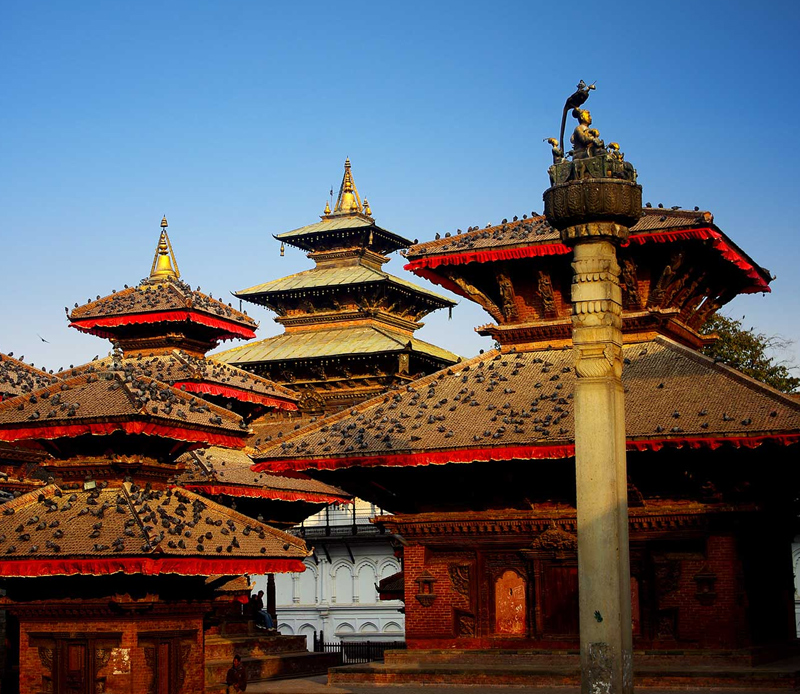
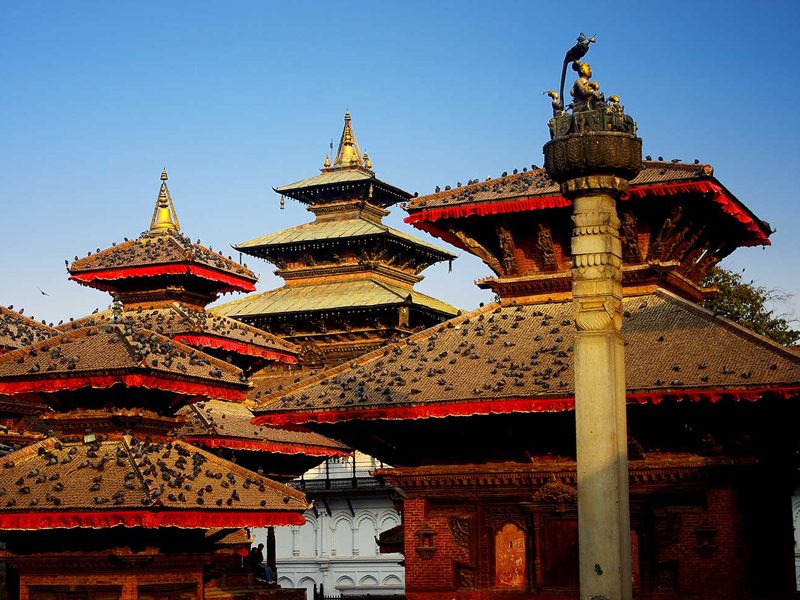
The Kathmandu Valley flourished under various dynasties, particularly the Licchavi (300–879 CE) and Malla kings (1200–1769). These rulers developed sophisticated urban centers, built grand temples, palaces, and courtyards that today form UNESCO World Heritage Sites such as Patan Durbar Square, Bhaktapur Durbar Square, and Kathmandu Durbar Square.
Unification of Nepal
In 1769, King Prithvi Narayan Shah unified the various kingdoms and established Nepal as a single nation-state. This marked the beginning of the Shah dynasty, which shaped Nepal’s political identity.
Modern Era
After a long monarchy, Nepal transitioned to a democratic republic in 2008. Despite modernization, the cultural soul of the country remains beautifully preserved.
Geography & Climate
Nepal’s geography is defined by extremes:
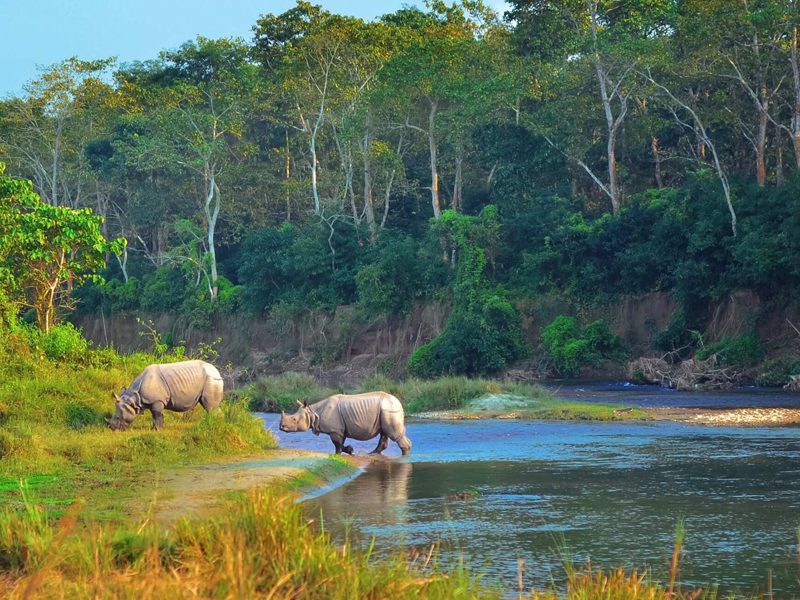
Terai Region – lowland plains, jungles, wildlife
Hills – terraced fields, villages, forests
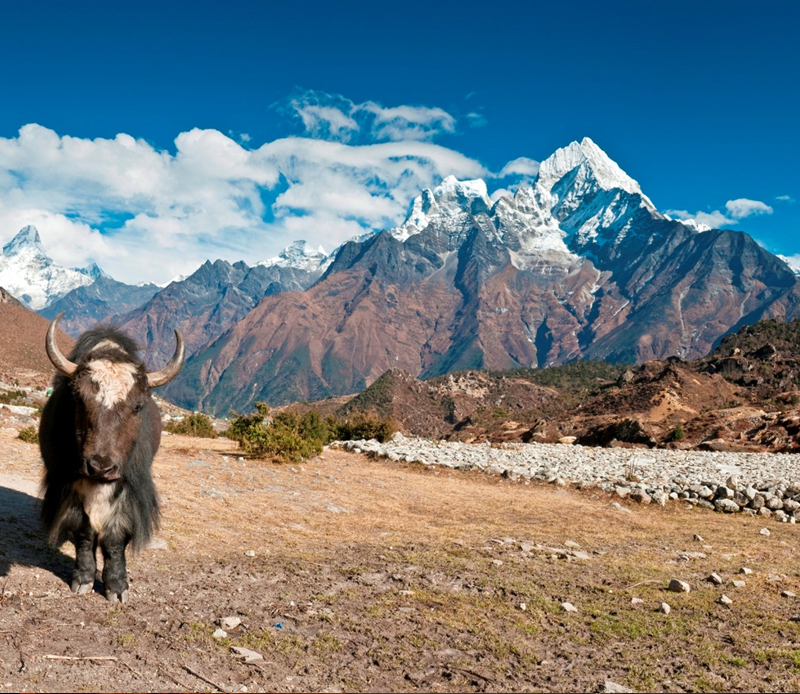
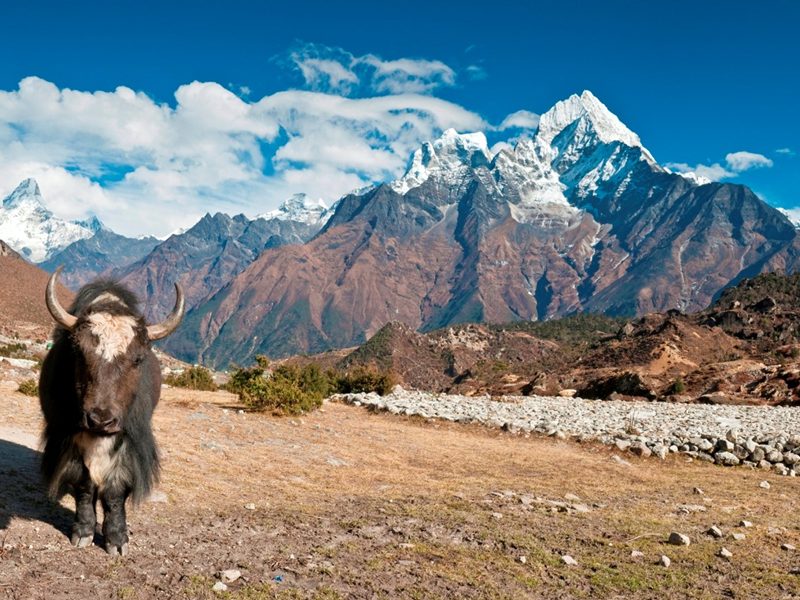
Himalayas – towering peaks, glaciers, alpine valleys
This extraordinary variation makes Nepal a year-round destination.
Climate
October–December: Clear skies, best for trekking
March–May: Blooming flowers and mild weather
June–September: Monsoon (lush green landscapes)
Culture & Traditions
Religious Harmony
Nepal is one of the only countries where Hinduism and Buddhism coexist seamlessly. Monasteries stand next to temples, and both faiths influence art, festivals, and daily life.
Festivals
Nepal celebrates over 50 festivals, including:
Dashain
Tihar
Holi
Buddha Jayanti
Teej
Indra Jatra
These festivals showcase colorful rituals, music, dance, and traditional costumes.
Arts & Crafts
Nepal is famous for:
Thangka paintings
Metal sculptures
Wood carvings
Handmade paper
Mask art
Kathmandu valley artisans are considered among the world’s best.
Top Places to Visit in Nepal
1. Kathmandu
The cultural and spiritual heart of Nepal.
Must-visit:
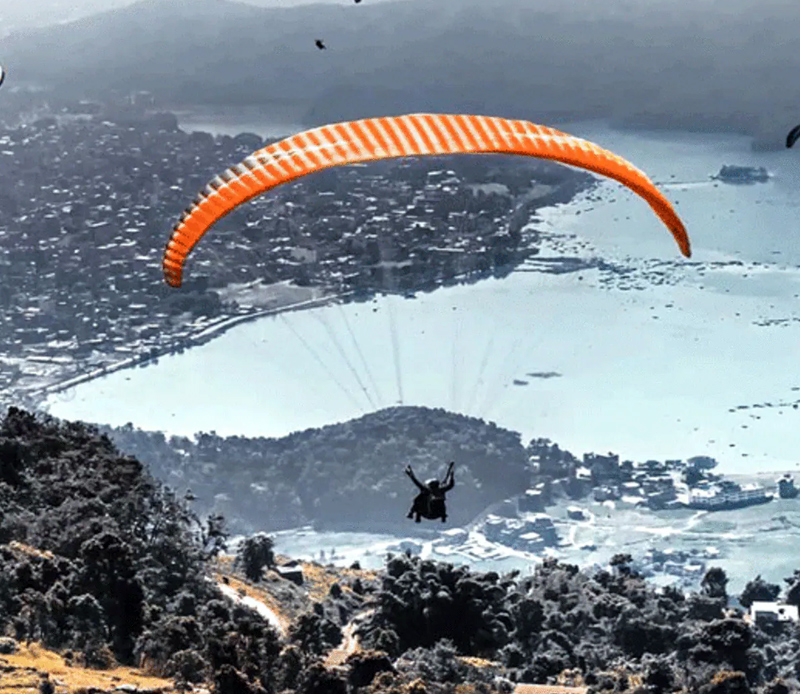
2. Pokhara
Known for serene lakes, adventure activities, and spectacular mountain views.
Highlights:
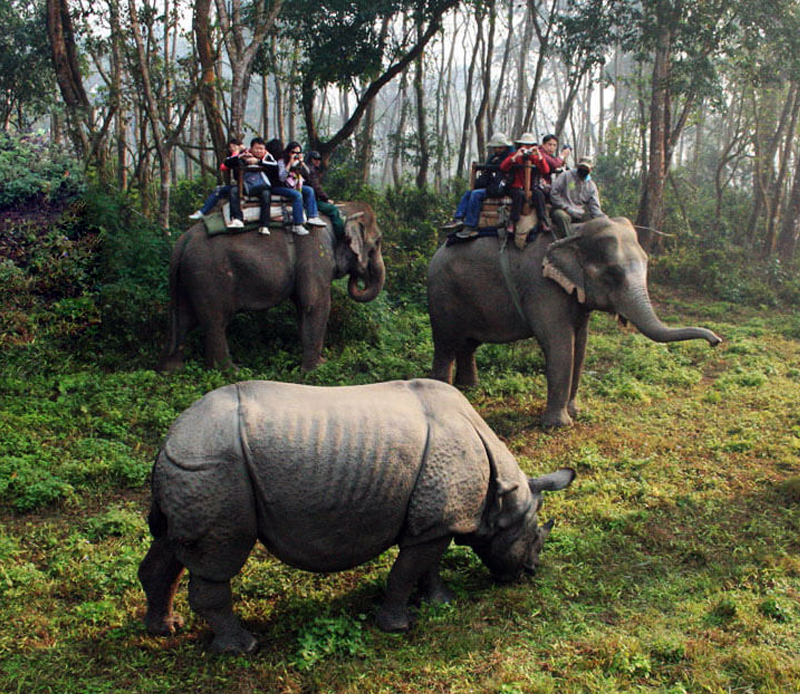
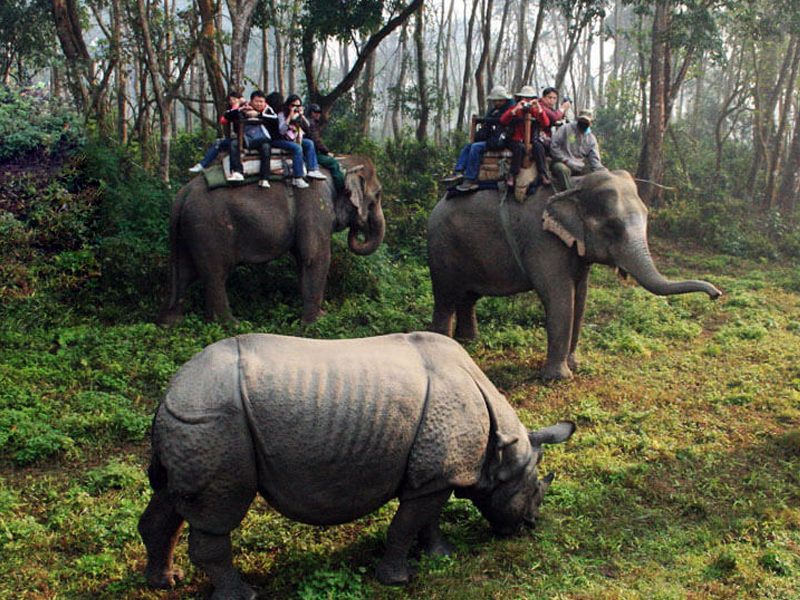
3. Chitwan
A wildlife haven best known for:
Jungle safaris
One-horned rhinos
Bengal tigers
Elephant encounters
Canoe rides
4. Lumbini
Birthplace of Buddha; a spiritual pilgrimage destination.
5. Everest & Annapurna Regions
World’s most iconic trekking routes with:
Sherpa villages
Monasteries
Snow-capped peaks
Base camp adventures
Experiences to Try
Trekking (Everest, Annapurna, Langtang)
Bungee jumping
Jungle safaris
Mountain flight to Everest
Rafting
Meditation retreats
Cultural walking tours
Best Time to Visit
September to December and March to May are ideal.
Why Visit Nepal
Nepal offers some of the world’s best trekking, spirituality, and authentic cultural experiences — a combination hard to find anywhere else.