Historical Overview
Ancient Civilizations
The history of India stretches back over 5,000 years to the Indus Valley Civilization, known for its urban planning and advanced architecture. This civilization laid the foundation for later dynasties and cultural systems.
Classical Age
The classical period saw the rise of the Mauryan Empire under Emperor Ashoka, who spread Buddhism across Asia. The Gupta Empire was marked as a golden age for art, science, mathematics, and literature.
Medieval Era
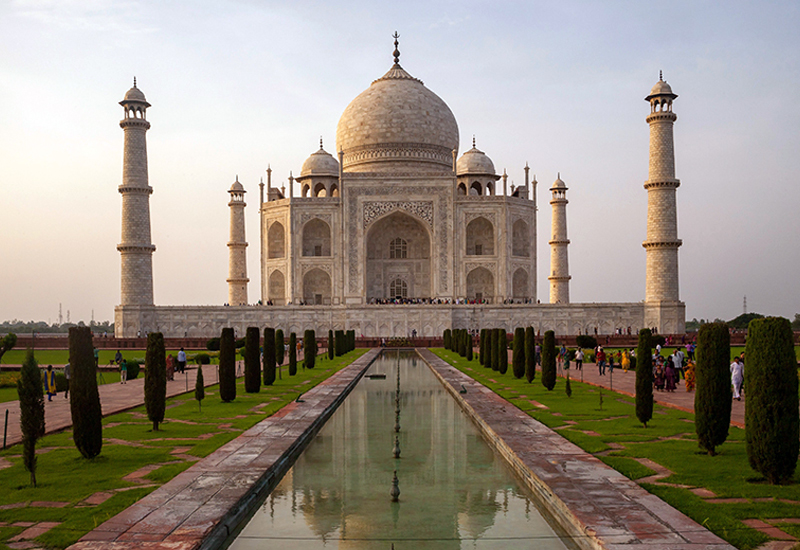
Medieval India was shaped by Rajput kingdoms, South Indian empires like the Cholas, and later the arrival of the Delhi Sultanate and the Mughal Empire. The Mughals left a remarkable architectural legacy — the Taj Mahal, Agra Fort, Fatehpur Sikri, and countless mosques, gardens, and palaces.
Colonial Period & Independence
The British colonized India in the 18th century, introducing railways, Western education, and administrative systems. India achieved independence in 1947, becoming the world’s largest democracy.
Geography & Climate
India’s geography is exceptionally diverse:
Himalayan regions in the north — snow peaks, monasteries, adventure sports
Northern plains — fertile valleys and major pilgrimage sites
Western deserts — Thar Desert, palaces, and dunes
Southern peninsula — beaches, backwaters, and spice plantations
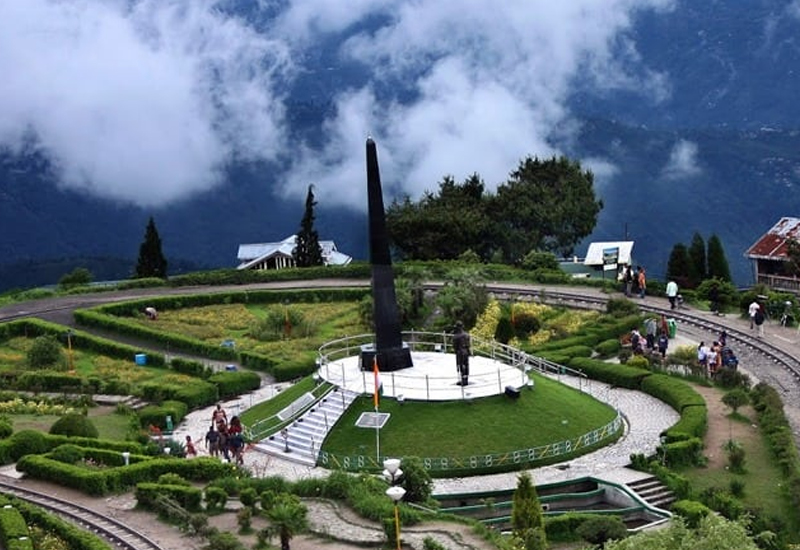
Northeast India — tribal cultures, tea gardens, and waterfalls
Climate varies from tropical in the south to alpine in the Himalayas, making India a year-round destination.
Cultural Identity
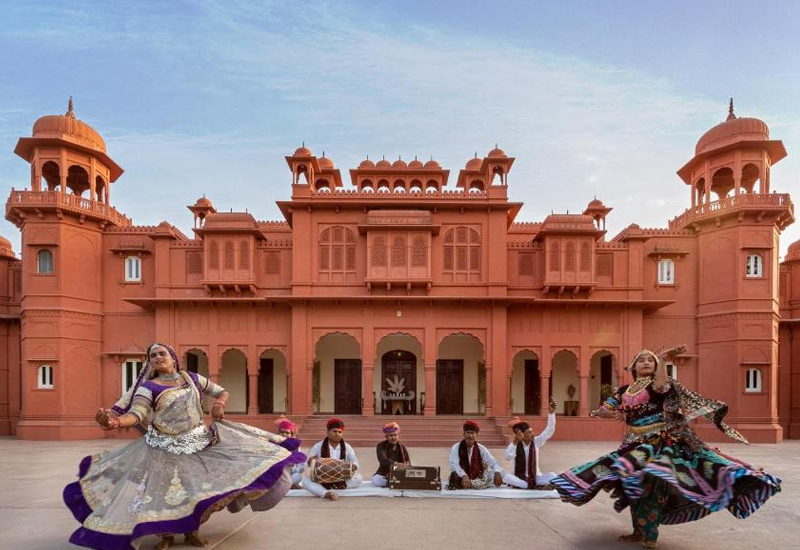
India is a mosaic of cultures, religions, languages, and traditions.
Major Religions Originating in India
Hinduism
Buddhism
Jainism
Sikhism
Languages
There are 22 officially recognized languages and over 1,600 dialects. Each region adds a new dimension to India’s cultural identity.
Festivals
India celebrates thousands of festivals including:
Every festival offers a unique cultural display, creating unforgettable experiences.
Cuisine
Indian cuisine varies significantly across regions:
North India – Mughlai dishes, breads, kebabs, curries
South India – dosas, idlis, rice dishes, coconut-based flavors
East India – sweets, fish curries
West India – Gujarati thalis, Rajasthani food
Coastal India – seafood specialties
India’s culinary traditions are as diverse as its people.
Top Places to Visit in India
1. Delhi – The Capital of History
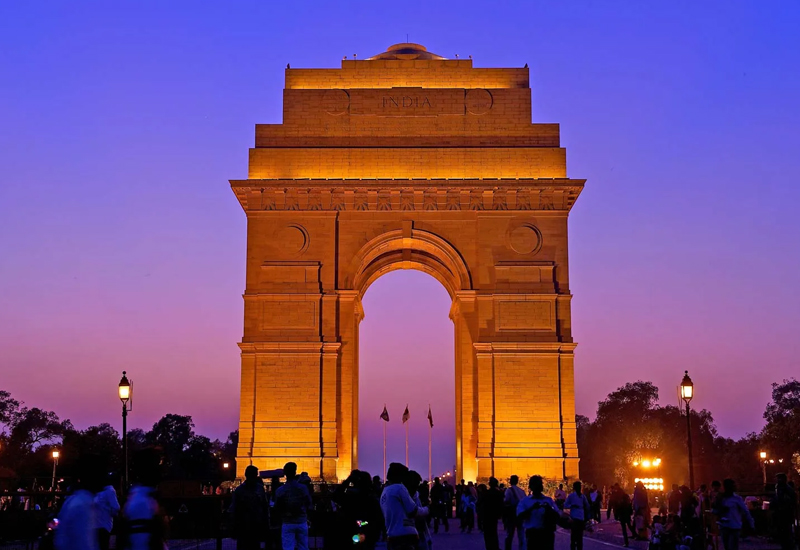
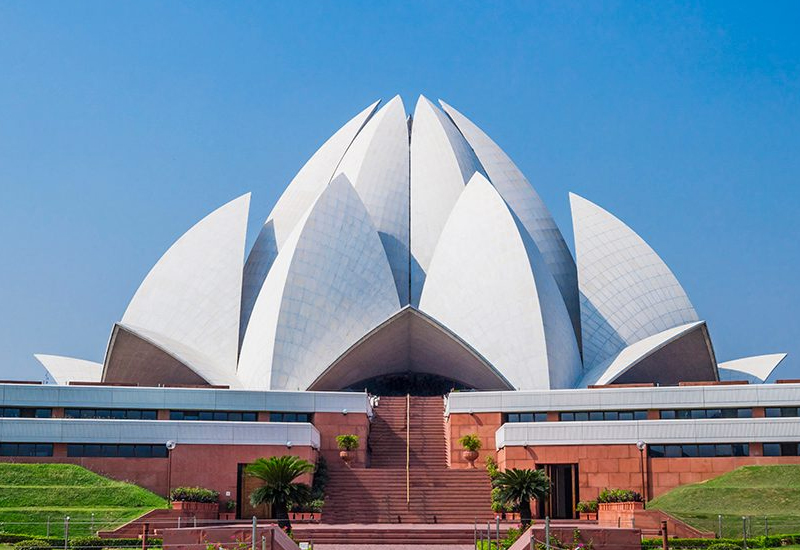
A blend of Mughal heritage and modernity.
Must-see:
Qutub Minar
Red Fort
India Gate
Lotus Temple
Chandni Chowk
2. Agra – Home of the Taj Mahal
The Taj Mahal remains one of the most iconic monuments in the world.
Also visit:
3. Jaipur – The Pink City
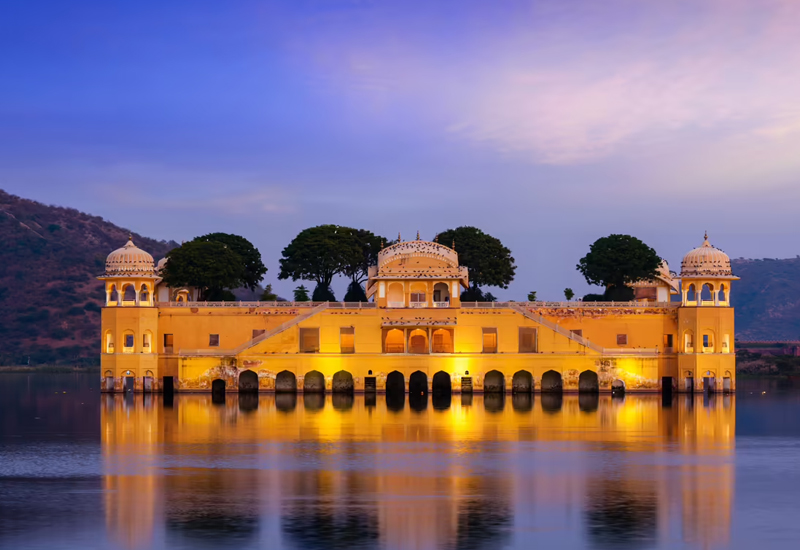
Known for forts, palaces, and vibrant bazaars.
Key attractions:
Amer Fort
City Palace
Hawa Mahal
4. Kerala – God’s Own Country
Calming backwaters, green landscapes, beaches, and Ayurvedic wellness.
Top places:
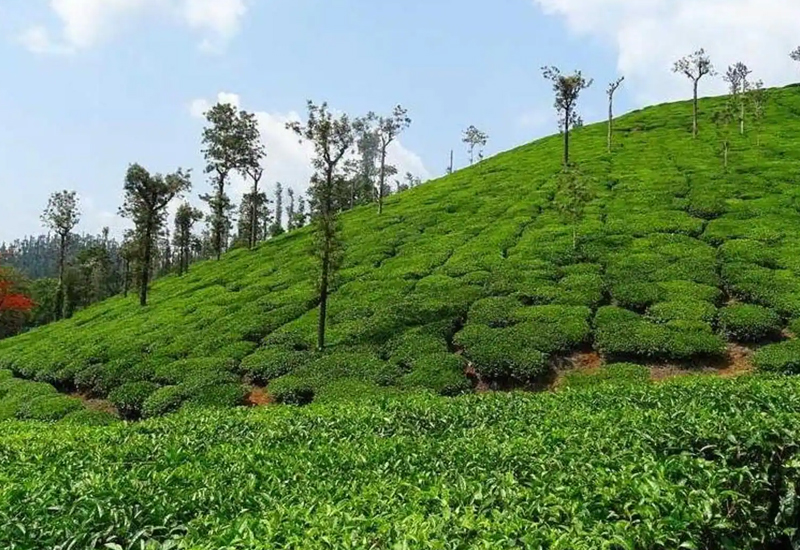
Munnar
Alleppey
Kovalam
Kochi
5. Goa – Beaches & Nightlife
Golden sand beaches, water sports, Portuguese churches, and nightlife.
6. Varanasi – Spiritual Capital of India
Witness the famous Ganga Aarti, ghats, temples, and spiritual rituals.
7. Himachal Pradesh – Hill Paradise
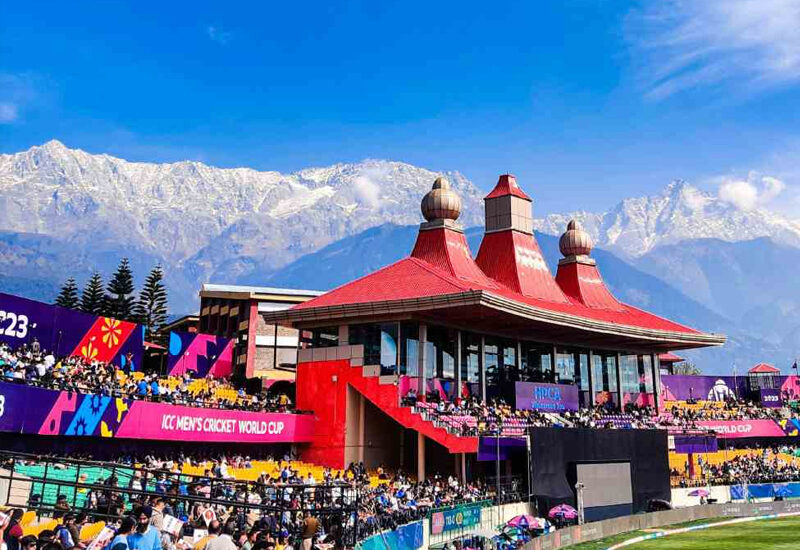
Shimla, Manali, Dharamshala, Dalhousie — perfect for nature lovers.
8. Rajasthan – Royal Palaces & Desert
Jodhpur, Udaipur, Jaisalmer — desert safaris, forts, culture, and luxury stays.
9. Ladakh – The Roof of India
Monasteries, blue lakes, high-altitude passes, and adventure-filled landscapes.
Experiences to Try
Houseboat stay in Kerala
Camel safari in Jaisalmer
Yoga retreat in Rishikesh
Tea tasting in Darjeeling
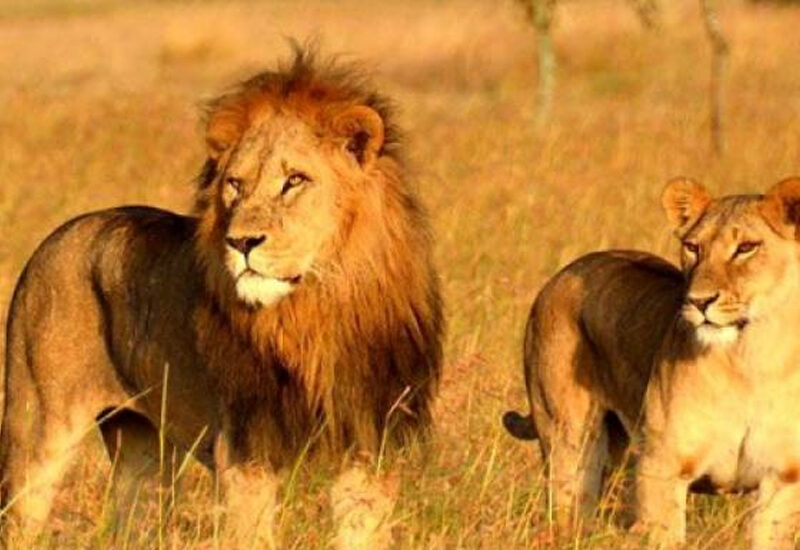
Tiger safari in Ranthambore / Bandhavgarh
Backwater cruises
River rafting in Ganga
Himalayan treks
Best Time to Visit
October to March for most regions.
Summer (April–June) is ideal for hill stations.
Why Visit India
India offers a lifetime of travel experiences — history, culture, adventure, wildlife, beaches, and spirituality. No two days feel the same.