History of Tibet
Early Civilization
Tibet’s early Tibetan tribes established kingdoms around the Yarlung Valley.
The Tibetan Empire (7th–9th Century)
Under Songtsen Gampo, Tibet became a powerful empire and Buddhism flourished.
Monastic Era
After the fall of the empire, monasteries like Jokhang, Sera, and Drepung preserved Tibetan culture.
Dalai Lama Institution
From the 17th century, the Dalai Lamas became both spiritual and political leaders.
Modern Tibet
Today, Tibet is an autonomous region of China but retains its unique identity and traditions.
Geography & Climate
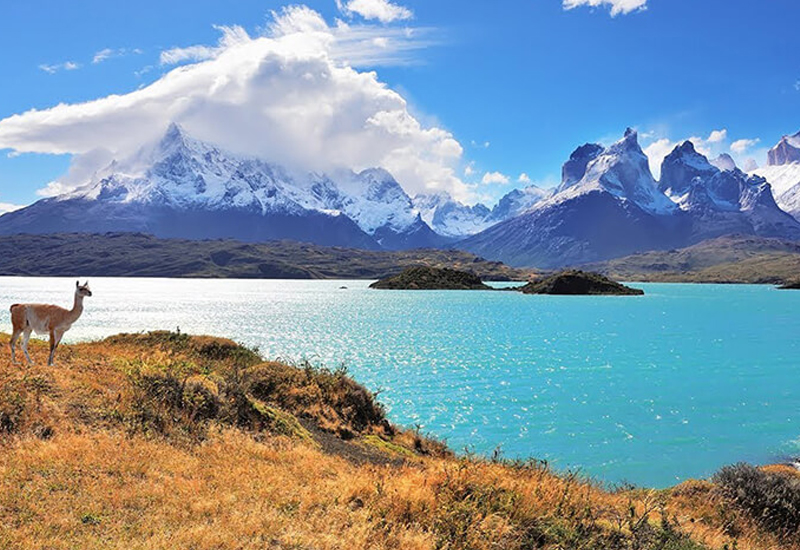
High-altitude plateau
Himalayan mountains
Sacred lakes
Snow peaks
Dry, cold climate
Best visited:
Culture & Traditions
Buddhism
Religion is central to Tibetan identity. Prayer wheels, stupas, rituals, and chanting fill the daily life.
Art
Thangka paintings
Butter sculptures
Mandalas
Handicrafts
Festivals
Top Places to Visit in Tibet
1. Lhasa
The heart of Tibetan culture.
Key attractions:
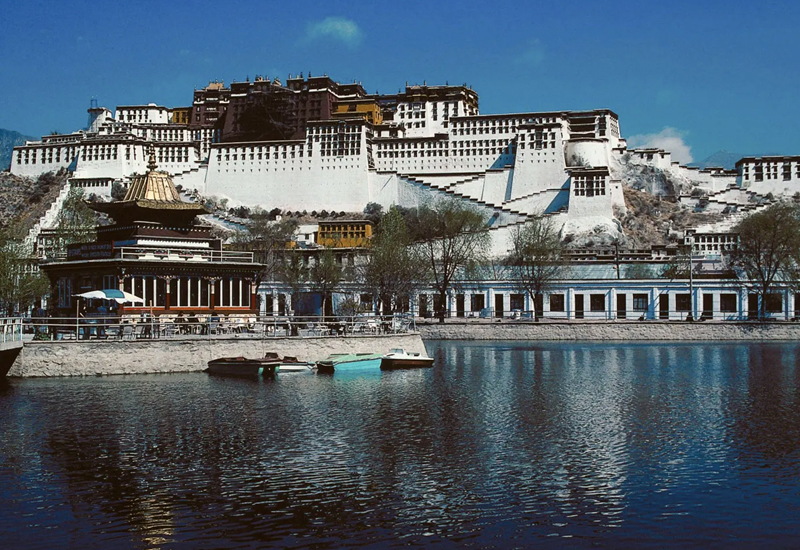
Potala Palace
Jokhang Temple
Barkhor Street
Sera Monastery
Drepung Monastery
2. Shigatse
Home to:
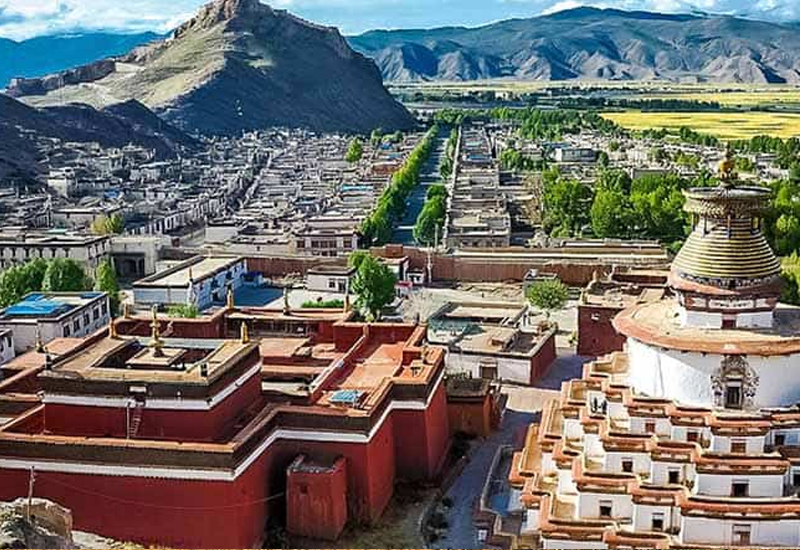
Tashilhunpo Monastery
Traditional Tibetan life
3. Mount Kailash
A sacred mountain for Hindus, Buddhists, Jains, and Bon followers.
Pilgrims walk the Kora — a spiritually powerful trek.
4. Namtso Lake
One of the most beautiful high-altitude lakes.
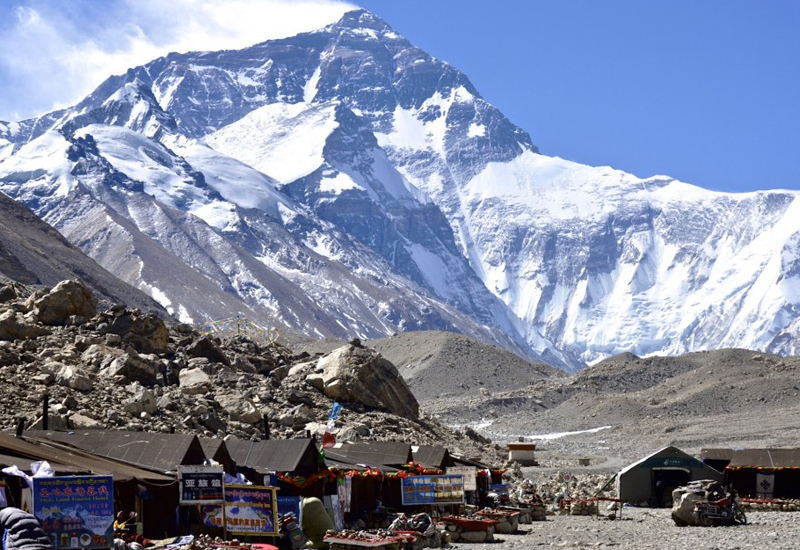
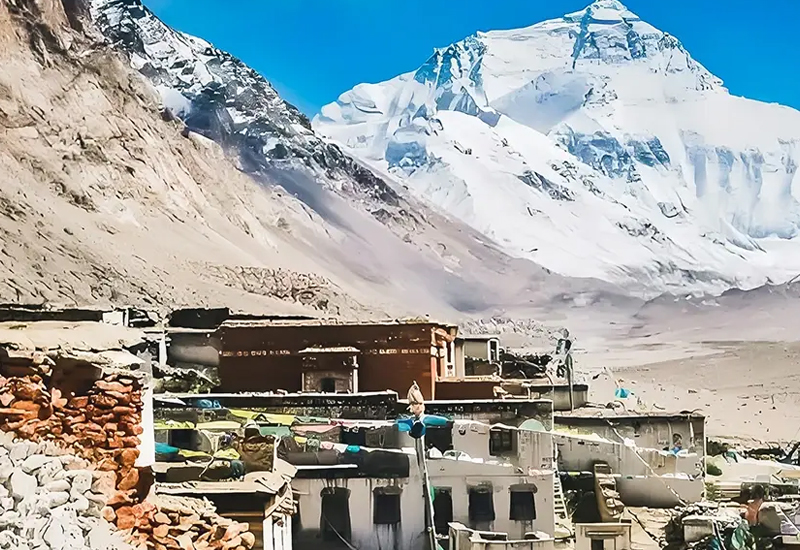
5. Everest North Base Camp
Spectacular views of Mount Everest from the Tibetan side.
Experiences to Try
Best Time to Visit
April–June and September–October.
Why Visit Tibet
Tibet’s combination of spirituality, raw natural beauty, and ancient culture makes it a destination unlike any other.